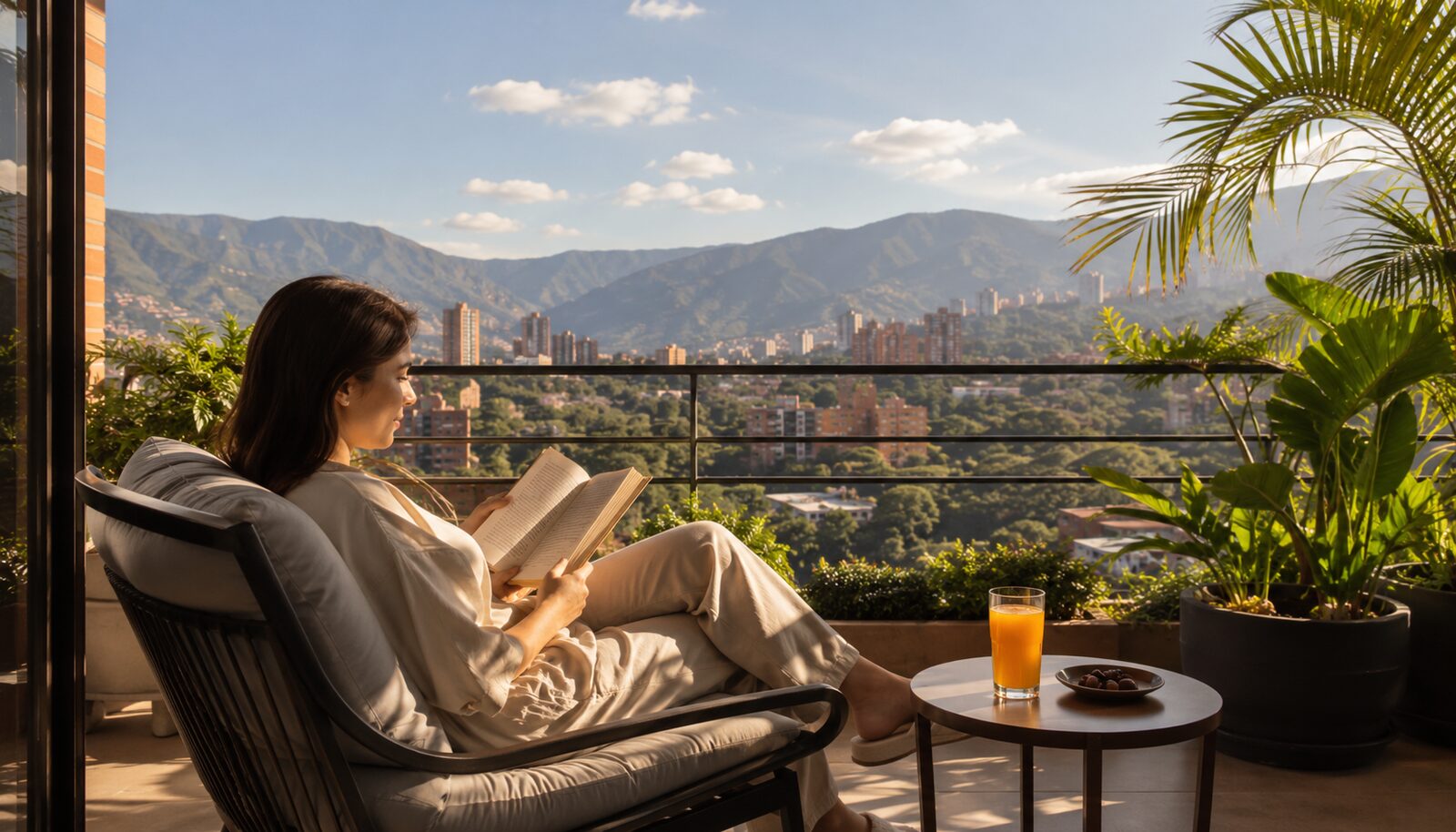
Recovery after a medical procedure is not just about what happens inside the clinic. The environment you recover in — the air you breathe, the temperature you sleep in, the comfort of your surroundings — plays a meaningful role in how quickly and comfortably you heal. This is where Medellín offers something that almost no other medical tourism destination in the world can match.
Known as "La Ciudad de la Eterna Primavera" — the City of Eternal Spring — Medellín sits in a lush Andean valley at approximately 1,500 metres (4,900 feet) above sea level. This altitude, combined with its tropical latitude, produces a climate that is consistently mild, never extreme, and remarkably conducive to physical recovery.
The Numbers Behind the Climate
Medellín's average temperatures range from 22°C (72°F) to 28°C (82°F) throughout the entire year. There is no winter. There is no summer heat wave. The temperature variation between the warmest and coolest months is typically less than 3°C. Every day is essentially the same: warm enough to be comfortable, cool enough to sleep well, and mild enough to spend time outdoors without physical stress.
Compare this to other medical tourism destinations. Bangkok averages 35°C (95°F) with high humidity during peak medical tourism season. Dubai reaches 45°C (113°F) in summer. Even within Latin America, Cali — Colombia's other cosmetic surgery hub — is considerably warmer and more humid than Medellín.
Extreme heat increases swelling, promotes bacterial growth in wounds, causes dehydration, and disrupts sleep — all of which slow healing. Extreme cold constricts blood flow to healing tissues and makes physical movement uncomfortable. Medellín's consistent 22–28°C range avoids both extremes, supporting optimal circulation, wound healing, and restful sleep throughout your recovery.
Altitude and Healing
Medellín's altitude of approximately 1,500 metres is a sweet spot for medical recovery. It is high enough to enjoy cooler temperatures without the tropical heat of sea-level cities, but low enough to avoid the altitude-related challenges of cities like Bogotá (2,640 metres) or Mexico City (2,240 metres).
At Bogotá's altitude, some patients experience mild altitude sickness symptoms — headache, fatigue, shortness of breath — particularly during the first 24–48 hours after arrival. These symptoms are generally manageable, but they add an unnecessary layer of discomfort on top of post-surgical recovery. At Medellín's more moderate altitude, altitude-related symptoms are extremely rare.
The moderate altitude also means slightly lower atmospheric pressure than sea level, which some medical professionals note can modestly reduce post-operative swelling — a welcome benefit for cosmetic surgery and dental patients in particular.
Green Space and Mental Recovery
Recovery is not purely physical. The psychological environment matters too. Stress, anxiety, and boredom during recovery can slow healing, lower immune function, and make the overall experience miserable. Medellín's natural beauty provides a powerful antidote.
The city is nestled in the Aburrá Valley, surrounded by green mountains visible from virtually every neighbourhood. The El Poblado area — where most medical tourism patients stay — is particularly lush, with tree-lined streets, public parks, and apartments and hotels with balconies overlooking green hillsides. Waking up to mountain views and birdsong is a qualitatively different recovery experience than staring at a hotel room wall in a concrete urban centre.
Many recovery accommodations in El Poblado feature outdoor terraces, rooftop gardens, and proximity to parks where patients can take gentle walks as their recovery progresses. This access to nature and fresh air — combined with the consistently pleasant weather — makes the recovery period something patients often describe as the best part of their medical tourism experience.
Recovery Infrastructure in Medellín
Medellín has developed substantial infrastructure specifically designed for post-surgical recovery. This includes dedicated recovery houses — private accommodations staffed with nurses and support staff who specialise in post-operative care. These facilities offer comfortable private rooms, prepared meals that meet post-surgical nutritional requirements, medication management, wound care, and transportation to follow-up appointments.
Beyond formal recovery houses, the broader hospitality infrastructure in El Poblado caters naturally to medical tourism patients. Many Airbnb hosts and boutique hotels are experienced with surgical recovery guests and offer features like elevator access, blackout curtains, extra pillows for elevation, and proximity to pharmacies and healthy restaurants.
Walkability During Recovery
One of Medellín's underrated advantages is walkability. As you progress through recovery, your surgeon will typically encourage gentle walking as soon as possible to promote circulation and prevent complications. El Poblado's flat-to-moderate terrain, wide sidewalks, abundant shade trees, and pleasant weather make walking comfortable and safe at every stage of recovery.
Within a few blocks of most recovery accommodations, you will find pharmacies, healthy restaurants and juice bars, quiet cafés for reading or working, convenience stores, and small parks. You do not need a car to meet your daily needs during recovery, which reduces logistical stress and allows you to maintain independence even when your activity is limited.
No Seasonal Planning Required
Because Medellín's climate is consistent year-round, you do not need to time your trip around weather seasons. Whether you travel in January or July, March or November, you will experience the same comfortable conditions. This gives you complete flexibility to schedule your procedure based on your personal and professional calendar rather than weather considerations.
This is a meaningful advantage over destinations with pronounced seasons. Patients travelling to Turkey for procedures, for example, need to consider whether they are visiting during Istanbul's hot, humid summers or its cold, wet winters. In Medellín, the weather is a non-factor — every month is recovery season.
Recovery as Part of the Experience
The best medical tourism experiences are those where the recovery period does not feel like a burden but like an opportunity. An opportunity to rest, to explore a beautiful city at a gentle pace, to eat well, and to return home feeling not just medically improved but genuinely refreshed. Medellín's climate and environment make that kind of recovery not just possible, but natural.