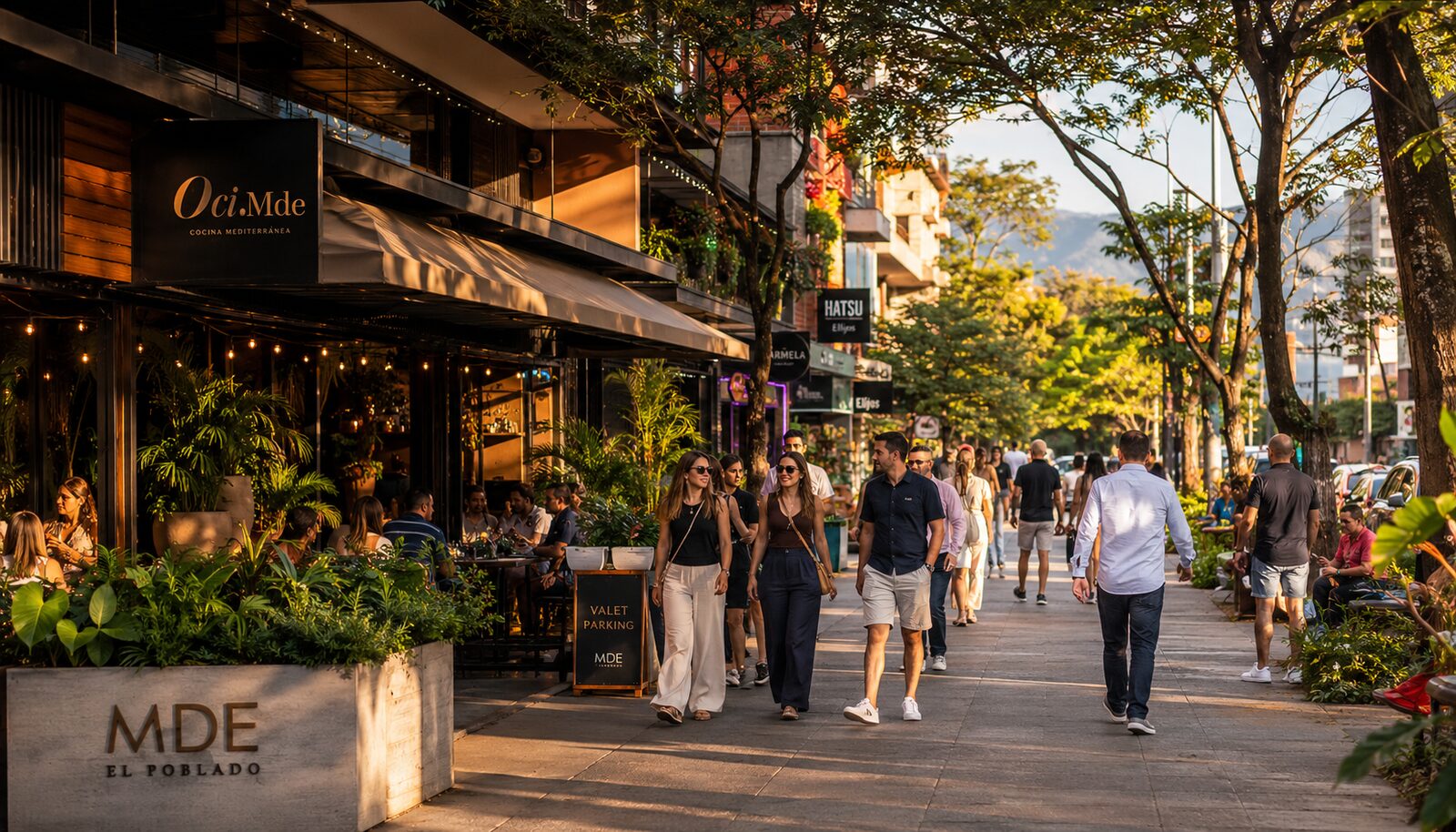
Let us address the question directly: the Colombia most people imagine is not the Colombia that exists today. The country's transformation over the past two decades is one of the most remarkable urban success stories in the world, and understanding this transformation is essential for any patient considering medical tourism here.
The Colombia of the 1990s — the one that dominates outdated media portrayals — bears almost no resemblance to the modern, cosmopolitan country that welcomes millions of international visitors each year. Medellín, once synonymous with conflict, is now consistently ranked among the most innovative cities in the world. Bogotá is a thriving capital of 10 million people with a world-class restaurant scene, modern public transit, and a vibrant cultural life. Cali is a dynamic city known globally for its music, dance, and hospitality.
The Transformation in Numbers
Colombia's security improvements are not anecdotal — they are dramatic and well-documented. The country's homicide rate has fallen by more than 50% since its peak, and in medical tourism neighbourhoods, crime rates are comparable to upscale districts in major US and European cities.
International tourism to Colombia has surged, reflecting growing global confidence in the country's safety and infrastructure. The medical tourism sector specifically has seen rapid year-over-year growth, with hundreds of thousands of international patients now travelling to Colombia annually for treatment.
Major international publications — from The New York Times to Lonely Planet to Condé Nast Traveller — have featured Colombia as a top destination, recognising the depth of its transformation and the quality of its visitor experience.
Where Medical Tourism Patients Stay
Understanding safety in Colombia requires understanding geography. Medical tourism patients are not randomly distributed across each city — they stay in specific, well-established neighbourhoods that have been developed with international visitors in mind.
El Poblado, Medellín
El Poblado is Medellín's premier medical tourism district, and it functions almost like a self-contained city within the city. Tree-lined streets, upscale restaurants, modern apartment buildings, boutique hotels, international supermarkets, and a concentration of medical clinics create an environment that feels simultaneously Latin American and cosmopolitan. The neighbourhood has dedicated police presence, is well-lit at night, and is designed for pedestrian use. Most medical tourism patients spend the entirety of their trip within El Poblado and neighbouring Laureles, where everything they need is within walking distance.
Usaquén and Zona Norte, Bogotá
Bogotá's medical infrastructure is concentrated in the northern part of the city, particularly around Usaquén and the Zona Rosa/Zona T areas. These are affluent, well-policed neighbourhoods with excellent restaurants, shopping, parks, and cultural attractions. Major hospitals including Fundación Santa Fe and Clínica del Country are located in this corridor, meaning patients can move between their accommodation and medical appointments entirely within safe, comfortable areas.
Ciudad Jardín and El Peñón, Cali
Cali's medical tourism activity centres around the upscale southern neighbourhoods of Ciudad Jardín and El Peñón. These areas feature modern clinics, comfortable accommodation, and easy access to the city's vibrant cultural scene — all within safe, walkable environments.
The same common-sense precautions you would take in any major international city apply in Colombia: avoid displaying expensive jewellery or electronics unnecessarily, use registered taxis or ride-sharing apps (Uber and InDriver operate widely), stay in well-lit and well-trafficked areas at night, and keep your clinic's emergency contact number saved in your phone. Your clinic's patient coordinator can also provide neighbourhood-specific guidance.
The Warmth Factor
Safety is not just about the absence of danger — it is also about feeling welcome. And this is where Colombia truly excels. Colombian culture is characterised by a warmth and hospitality that visitors consistently describe as one of the most memorable aspects of their trip.
Colombians are genuinely proud of their country's transformation and eager to share it with international visitors. You will encounter this warmth everywhere: from the clinic receptionist who goes out of their way to make you comfortable, to the restaurant waiter who patiently helps you navigate a Spanish-language menu, to strangers on the street who offer directions with a smile when they see you looking lost.
This cultural warmth is not performative. It reflects deep Colombian values of hospitality, community, and personal connection. For medical tourism patients — many of whom are understandably nervous about being far from home during a vulnerable time — this genuine friendliness provides a layer of comfort that clinical quality alone cannot.
Infrastructure for International Visitors
Colombia has invested heavily in infrastructure that serves international visitors, and this investment is evident in the medical tourism experience.
Modern airports in Bogotá and Medellín have been expanded and renovated with clear English signage, efficient immigration processing, and readily available transportation. Ride-sharing apps work seamlessly. Major credit cards are accepted virtually everywhere. ATMs are widely available in tourist districts. Mobile data is affordable and reliable — you can pick up a prepaid SIM card at the airport for a few dollars.
The healthcare infrastructure itself is world-class, with modern facilities, digital medical records, and professional patient management systems that will feel familiar to anyone accustomed to healthcare in the US or Europe.
LGBTQ+ Inclusivity
Colombia is one of the most progressive countries in Latin America on LGBTQ+ rights. Same-sex marriage has been legal since 2016, and anti-discrimination protections are enshrined in law. Major cities — particularly Medellín and Bogotá — have vibrant LGBTQ+ communities, and medical tourism clinics are experienced in serving LGBTQ+ patients with sensitivity and respect.
This is particularly relevant for patients seeking fertility treatments (LGBTQ+ family building), gender-affirming care, or any procedure where feeling safe and accepted is essential to the overall experience.
A Country Worth Knowing
Many patients who travel to Colombia for medical treatment leave with something unexpected: a genuine affection for the country and a desire to return. The combination of clinical excellence, dramatic cost savings, natural beauty, and authentic human warmth creates an experience that transcends the transactional nature of medical tourism.
Colombia is not just a place to get a procedure done cheaper. It is a country that rewards your visit with genuine hospitality, stunning landscapes, extraordinary food, and the kind of human connection that makes the world feel a little smaller and a lot warmer.